
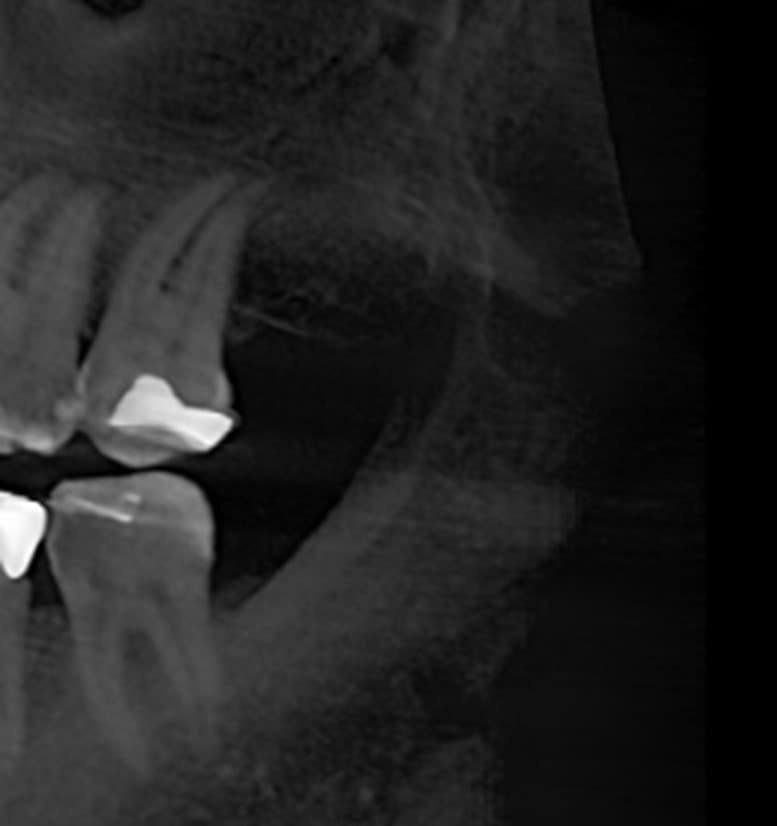
Cavitation surgery removes infected or necrotic tissue from cavities (cavitations) in the jawbone. These hollow areas can develop after extractions or from chronic infection and may cause pain, inflammation, and even systemic effects if left untreated.
When Cavitation Surgery Is Needed
Your dentist may recommend it if CBCT imaging shows a cavitation, if you have persistent jaw pain, or if you're preparing for implants and the site needs to be cleaned and healed first. Not every extraction site becomes a cavitation, but when they do, treatment can make a big difference.
What the Procedure Involves
The area is gently accessed, diseased tissue is removed, and the site is disinfected. Ozone therapy may be used to support healing. Most patients tolerate it well with local anesthesia. Recovery is usually straightforward.
Why It Matters for Overall Health
Chronic infections in the jaw can affect the rest of the body. Addressing cavitations is part of biological dentistry's whole-body approach—treating the source, not just the symptom.
Tags
America Dental
Biological Dentistry Team