
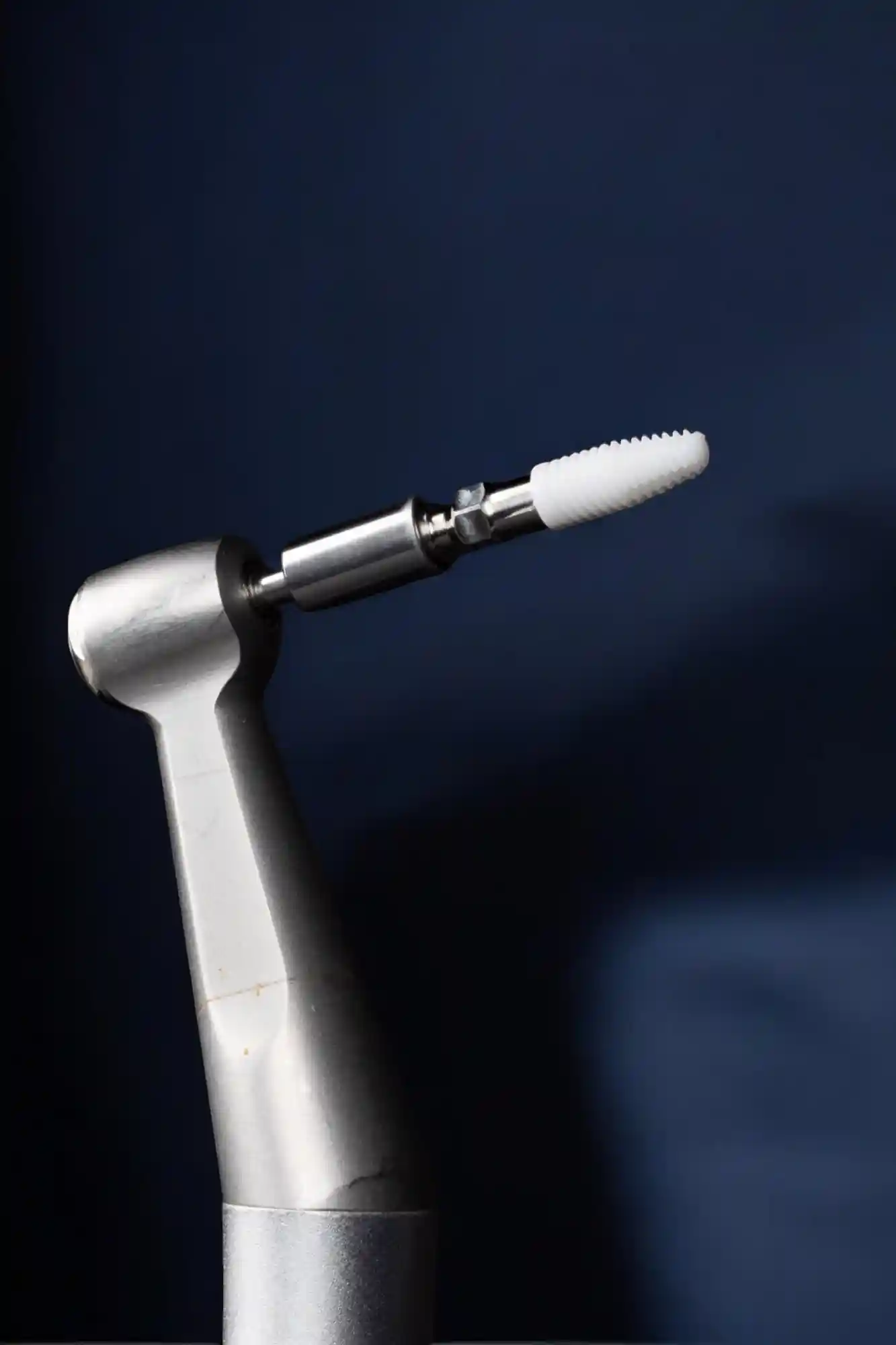
When the jawbone is too thin or has resorbed after tooth loss, a bone graft can create a stable foundation for implants. Not everyone needs one—but when you do, it significantly improves implant success.
When a Bone Graft Is Needed
Bone loss commonly occurs after long-term tooth loss, gum disease, or trauma to the jaw. Once a tooth is gone, the surrounding bone starts to shrink because it no longer receives the stimulation from chewing. If the remaining bone isn't thick or tall enough to anchor an implant securely, a graft rebuilds that foundation. A 3D CBCT scan lets your dentist measure bone density and volume precisely before recommending a graft.
Types of Bone Grafts for Dental Implants
The right graft material depends on how much bone needs to be rebuilt and where:
- Autograft: bone taken from another site in your own body (often the chin or jaw). It integrates well but requires a second surgical site.
- Allograft: processed donor bone from a human tissue bank. Safe, effective, and avoids a second surgery site.
- Xenograft: processed bone from an animal source (typically bovine), used as a scaffold that your own bone gradually replaces.
- Alloplast: a synthetic, lab-made bone substitute — a good option for patients who prefer to avoid donor tissue.
In most cases the graft material is covered with a collagen membrane to protect it and guide new bone growth (guided bone regeneration).
Sinus Lift: A Special Type of Graft
When implants are planned for the upper back jaw, the sinus cavity can limit available bone height. A sinus lift gently raises the sinus floor and packs bone graft material underneath it, creating enough height for a stable implant.
The Procedure and Recovery
Bone grafting is typically done under local anesthesia (with sedation options available) and takes about 45–90 minutes depending on the graft size. Mild swelling and discomfort for a few days is normal and manageable with standard pain medication. Most patients return to normal activity within a few days, though strenuous exercise is usually paused for about a week.
Timeline and Alternatives
Full integration of the graft with your natural bone usually takes 4–6 months before an implant can be placed on top of it, though minor grafts done at the same time as implant placement can shorten the overall timeline. In some cases, All-on-4 can avoid grafting altogether by angling implants to use the denser bone that's naturally available — a good option worth discussing if you want to avoid an extra procedure.
How Much Does a Bone Graft for Dental Implants Cost?
Cost varies with graft type, size, and whether a sinus lift is also needed. Getting dental work done in Costa Rica, including bone grafting, typically costs a fraction of US prices for the same procedure. Request a free, personalized cost estimate based on your specific case.
Frequently Asked Questions
Does a bone graft for dental implants hurt?
Most patients report mild-to-moderate discomfort for a few days, similar to a tooth extraction — not the procedure itself, which is done under anesthesia.
Can I get dental implants without a bone graft?
Yes, if you have enough healthy bone, or if your case is suited to techniques like All-on-4 that reduce or eliminate the need for grafting.
How long before I can get my implant after a bone graft?
Typically 4–6 months, though this varies by patient and graft type — your dentist will confirm timing with imaging before moving forward.
Not sure if you need a bone graft? Learn more about our bone graft and membrane procedures or schedule a free consultation to get a personalized recommendation.
Tags
America Dental
Implant Specialists