Dental Sealants
Protective coatings applied to the chewing surfaces of back teeth to prevent cavities and maintain a healthy smile.
Dental Sealants
Get benefits of dental sealants in enhancing oral health, preventing cavities.
When it comes to dental health, America Dental is your best option. Dental health is an essential aspect of overall well-being, and preventive care plays a crucial role in maintaining it. One effective preventive measure is the use of dental sealants.
What are Dental Sealants?
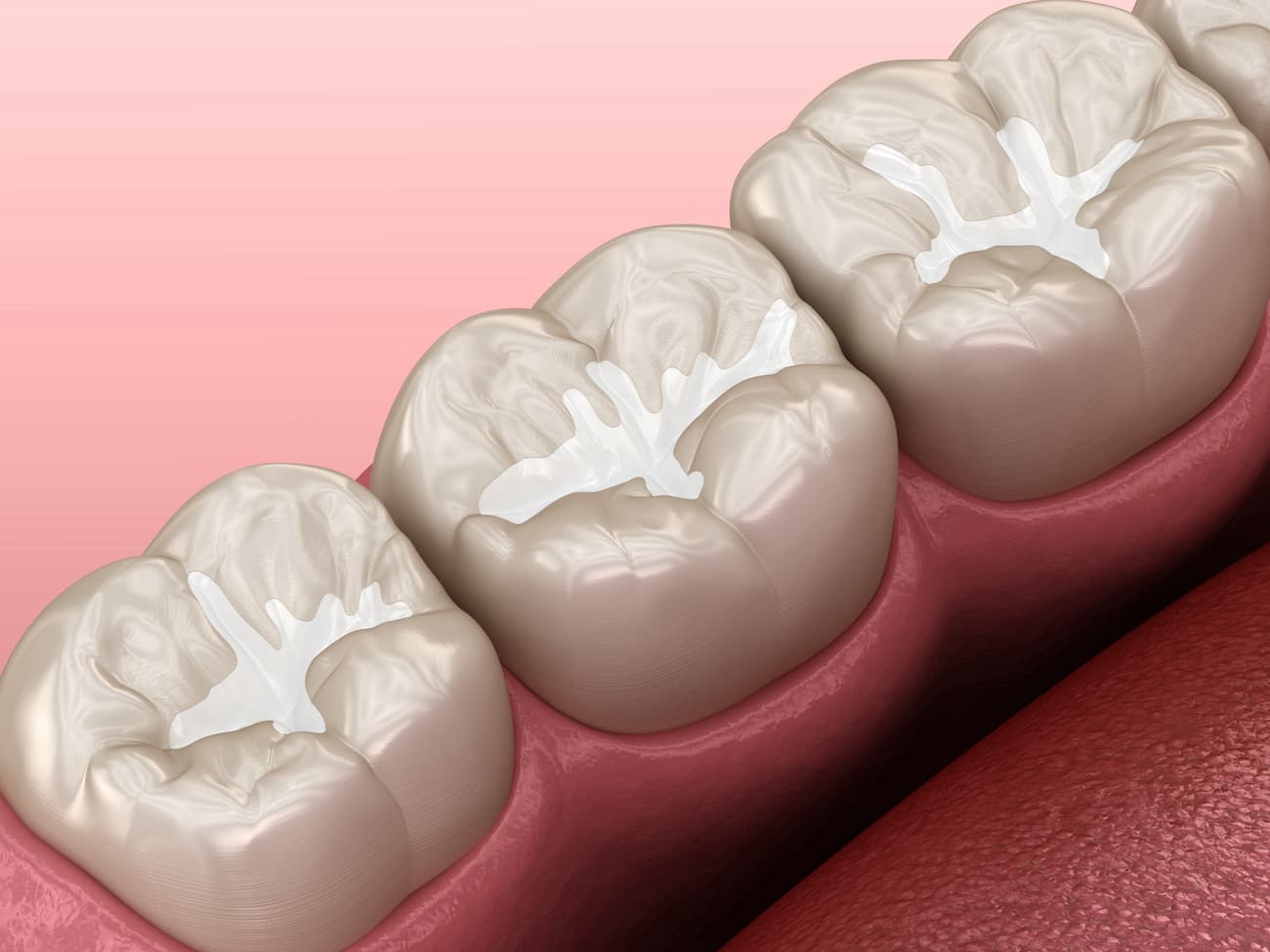
At our clinic, we tell you what dental sealants are for a better comprehension. Therefore, they are thin, plastic coatings painted on the chewing surfaces of teeth.
Our purpose is that you with these sealants protect the teeth from decay. The chewing surfaces of the back teeth have grooves and pits where food particles and bacteria can accumulate, making them susceptible to cavities. They create a smooth, protective barrier that prevents food and bacteria from getting trapped in these areas.
For us, it is important that you understand a little about the procedure of dental sealants, and in this way, you understand the professionalism of our services.

Dental Sealants Application Procedure
Initial Examination
Before applying dental sealants, our dentist will perform a thorough examination of the patient's teeth. This examination helps to determine whether the teeth are suitable for sealants.
Cleaning the Teeth
At America Dental we will clean the teeth to remove any plaque or food particles. This step is crucial because the sealant needs to bond directly to the tooth surface.
Preparing the Tooth Surface
After cleaning, our dentist will prepare the tooth surface by applying an acidic solution. This solution roughens the surface of the tooth, creating a better bonding surface for the dental sealant.
Applying the Dental Sealant
The dentist will paint the dental sealant onto the chewing surface of the tooth. The sealant is a liquid at this stage, allowing it to flow into the grooves and pits of the tooth.
Curing the Sealant
The dentist will use a special curing light. This light helps the sealant to set and form a hard, protective coating.
Final Check
After the sealant is cured, the dentist will check to ensure that it has bonded correctly and that there are no issues with the patient's bite.
Benefits of Dental Sealants
They offer several significant benefits, making them a popular choice for preventing cavities. They provide a strong protective barrier against decay, particularly in the deep grooves and pits of molars and premolars.
By preventing food particles and bacteria from settling in these areas, sealants reduce the risk of cavities significantly.
One of the appealing aspects of sealants is that the procedure is quick, painless, and non-invasive. Unlike fillings, which require drilling and can be uncomfortable, applying a dental coating is straightforward and can be completed in a single dental visit.
Dental tooth sealants are highly durable and can last for several years before needing replacement. Regular dental check-ups allow the dentist to monitor the condition of the sealants and reapply them if necessary.
The effectiveness of tooth sealants in preventing cavities is well-documented. Studies have shown that tooth sealants can reduce the risk of decay in molars by nearly 80%. This makes them an invaluable tool in pediatric dentistry.
Dental tooth sealants are highly durable and can last for several years before needing replacement. Regular dental check-ups allow the dentist to monitor the condition of the sealants and reapply them if necessary. Maintaining good oral hygiene and visiting the dentist regularly will ensure the longevity and effectiveness of dental tooth sealants.

Who Should Get Dental Sealants?
Children and Teenagers
As soon as the first permanent molars appear, usually around age 6, and the second molars, around age 12, children can benefit significantly from sealants.
Adults with High Cavity Risk
Adults who have deep grooves in their teeth or a history of cavities can also benefit from sealants for added protection.
Patients with Orthodontic Appliances
Those wearing braces or other orthodontic devices might find sealants helpful in preventing decay around brackets and wires.
Maintaining Dental Sealants
To ensure the longevity and effectiveness of them, patients should follow these maintenance tips:
Regular Dental Visits
Regular check-ups allow the dentist to inspect the sealants and reapply them if necessary.
Good Oral Hygiene
Brushing twice a day with fluoride toothpaste and flossing daily will help maintain the sealants and overall oral health.
Avoid Hard Foods
Chewing on ice or hard candies can damage the sealants, so it's best to avoid these habits.
Ready to Protect Your Smile?
Get dental sealants to prevent cavities and maintain a healthy smile. Our experienced team at America Dental will ensure the perfect application for your needs.